GPR Scanning Experts
What Is GPR Scanning?
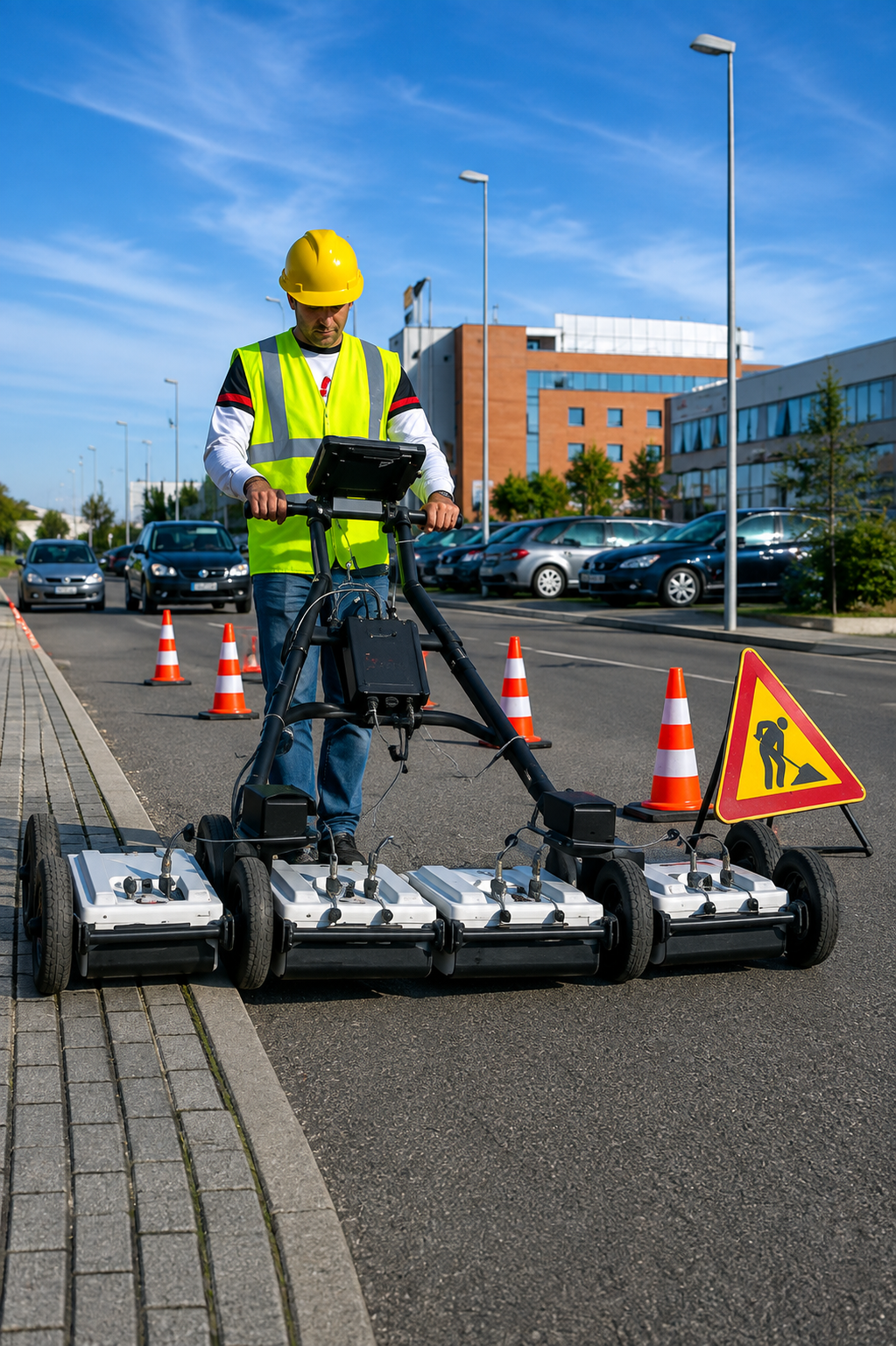
GPR (Ground Penetrating Radar) scanning is a non-destructive geophysical method used to detect and evaluate objects, materials, and changes beneath the ground or within concrete structures. The technology sends high-frequency electromagnetic radar signals into a surface and analyzes the reflected signals to provide information about subsurface features without unnecessary digging, cutting, or damage.
GPR scanning can help identify underground utility lines, pipes, electrical conduits, communication cables, rebar, post-tension cables, voids, and other buried or embedded features. It can be used on soil, concrete, asphalt, and other suitable surfaces. Results depend on factors such as soil conditions, material type, moisture, target depth, and the size and composition of the object being detected.
Professional GPR scanning services are commonly used before excavation, drilling, trenching, coring, construction, and renovation work. By providing valuable information about hidden subsurface conditions, GPR scanning can help reduce the risk of utility strikes, avoid unnecessary damage, improve project planning, and support safer, more efficient work on residential, commercial, and industrial sites.
When Is GPR Scanning Necessary?
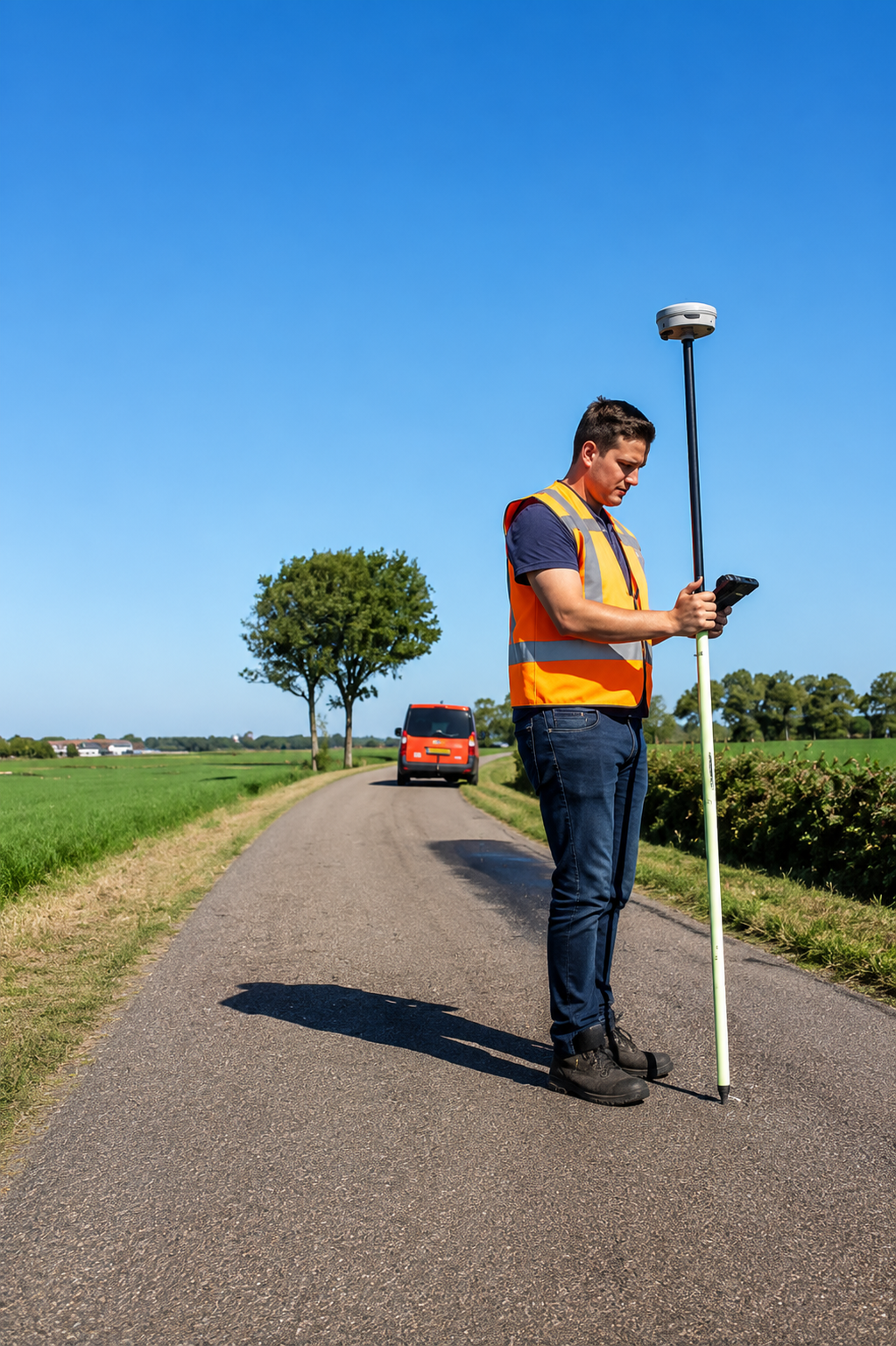
GPR scanning is necessary when a project requires reliable information about objects or conditions hidden beneath the ground or inside concrete structures. It is commonly used before excavation, trenching, drilling, coring, cutting, or demolition work where unknown utilities or embedded materials could create safety risks, damage, or costly project delays.
Construction teams, engineers, and property owners may use Ground Penetrating Radar before beginning residential, commercial, or industrial projects. GPR can help detect underground pipes, utility lines, electrical conduits, communication cables, rebar, post-tension cables, voids, and other subsurface features. It is especially valuable when existing site plans are incomplete, outdated, or unavailable.
GPR scanning may also be necessary during site investigations, concrete inspections, utility mapping, renovation projects, and infrastructure maintenance. By collecting subsurface information before work begins, GPR scanning can help teams reduce uncertainty, avoid accidental utility strikes, improve project planning, and make safer decisions about where excavation, drilling, or cutting should take place.
What Is Required For GPR Scanning?
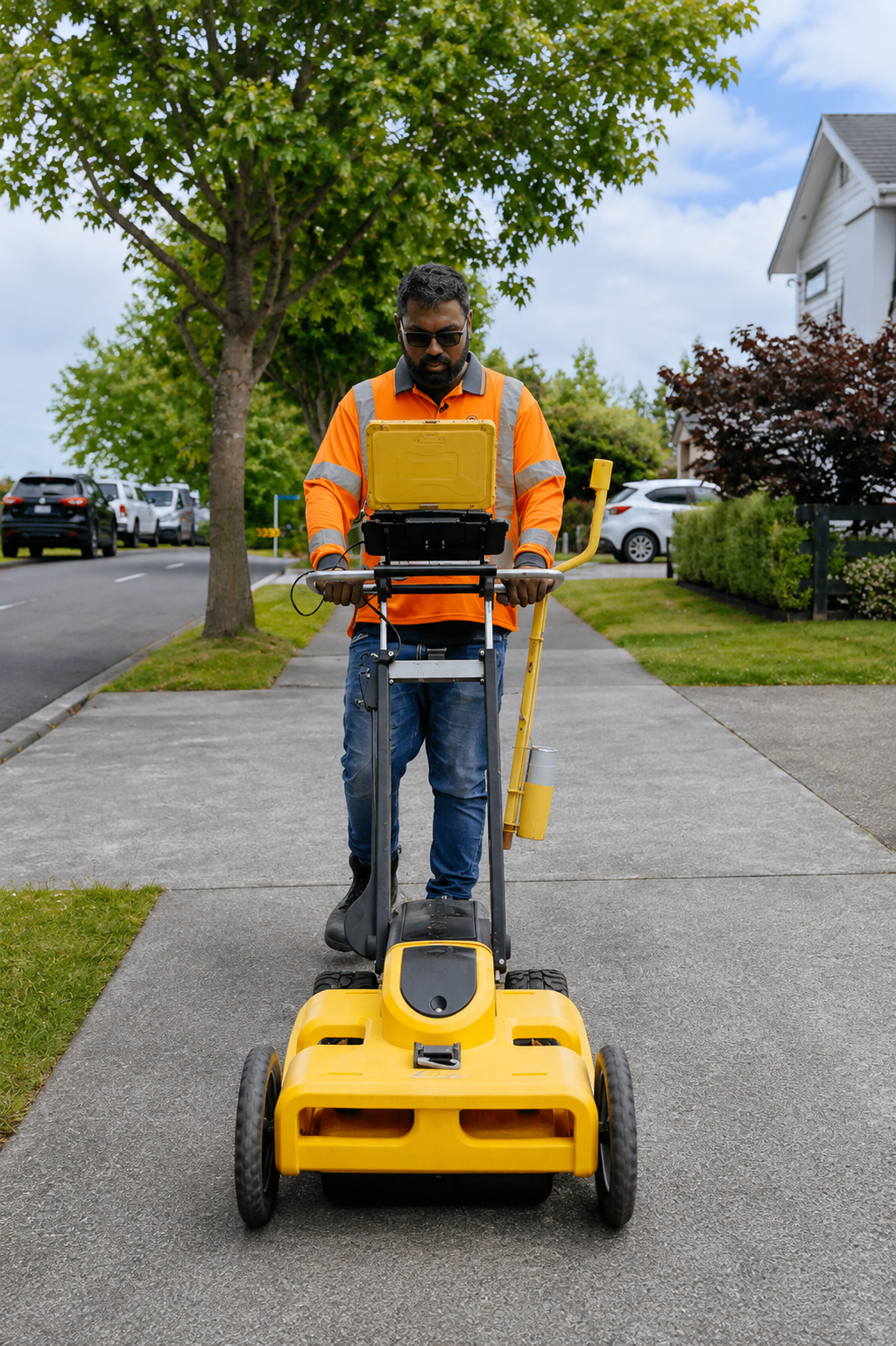
Successful GPR scanning requires access to the area being investigated, suitable scanning equipment, and clear information about the project objectives. Before scanning begins, the work area should generally be accessible and reasonably clear of obstacles so technicians can move the GPR equipment across the surface and collect consistent subsurface data.
Professional scanning requires Ground Penetrating Radar equipment with an appropriate antenna frequency for the type of investigation being performed. Technicians may also review available utility drawings, construction plans, site maps, or previous survey information. Details about expected utilities, target depths, concrete thickness, and planned excavation or drilling locations can help define the scanning area and improve the investigation.
Site conditions such as soil composition, moisture, surface material, accessibility, and the depth and material of the target can affect GPR results. Experienced technicians interpret the collected radar data and may mark detected features directly on the surface or document findings for project planning. Proper preparation and accurate interpretation help provide clearer subsurface information for safer excavation, drilling, construction, and renovation work.

Our Reviews
What Our Customers Have to Say About Us!
The team was professional, responsive, and very thorough. They accurately located the underground utilities before our excavation project and clearly marked everything on-site. The entire process was smooth and efficient.

We needed private utility locating for a commercial project, and the service exceeded our expectations. The technicians arrived on time, used professional equipment, and provided accurate results that helped us avoid costly utility damage.
Great experience from start to finish. The team provided detailed utility locating and mapping services and explained the findings clearly. Their work helped us move forward with our construction project confidently.
The Process
3 Step Process For Your GPR Scanning Needs

Contact Us
Start by completing the 'Get a Free Quote' form on our website to share your GPR Scanning needs with us.

Schedule Your Estimate
Next, we'll arrange a property visit at a time that works for you to provide an in-person estimate for your GPR Scanning needs.

Get The Job Done
After you approve our estimate, we'll schedule a date to complete the job. Our team will work hard to exceed your expectations!
Request A Free GPR Scanning Quote
BUSINESS
SERVICES
SERVICE AREAS
OPERATING HOURS
Sun: Closed
Mon: 7:00am - 7:00pm
Tue: 7:00am - 7:00pm
Wed: 7:00am - 7:00pm
Thu: 7:00am - 7:00pm
Fri: 7:00am - 7:00pm
Sat: 7:00am - 7:00pm